

At the Benjamin William Mkapa Foundation, we are responding to that question through action. With support from Irish Aid under the Mkapa Fellows Program Phase V – Year 2, we successfully implemented climate resilient health interventions aimed at strengthening Primary Health Care systems and increasing awareness on climate related health risks across communities in Tanzania.
In collaboration with the Ministry of Health and TAMISEMI, we completed the development, pretesting, validation, and dissemination of Climate–Health Information, Education and Communication (IEC) materials designed to support awareness creation and promote climate resilient health practices within communities and health facilities.
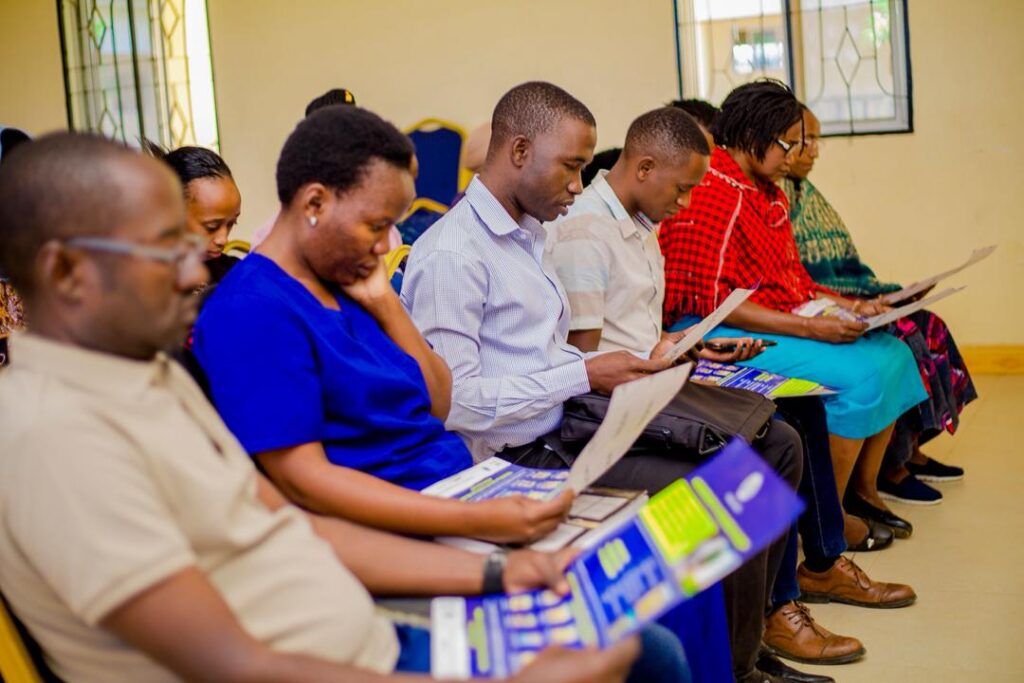
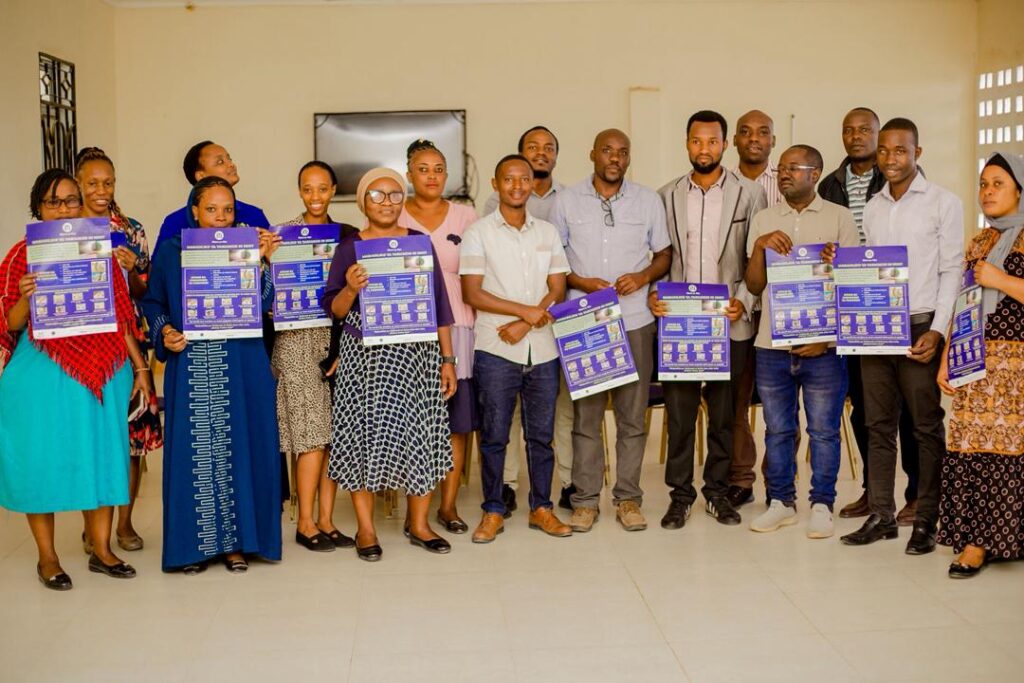
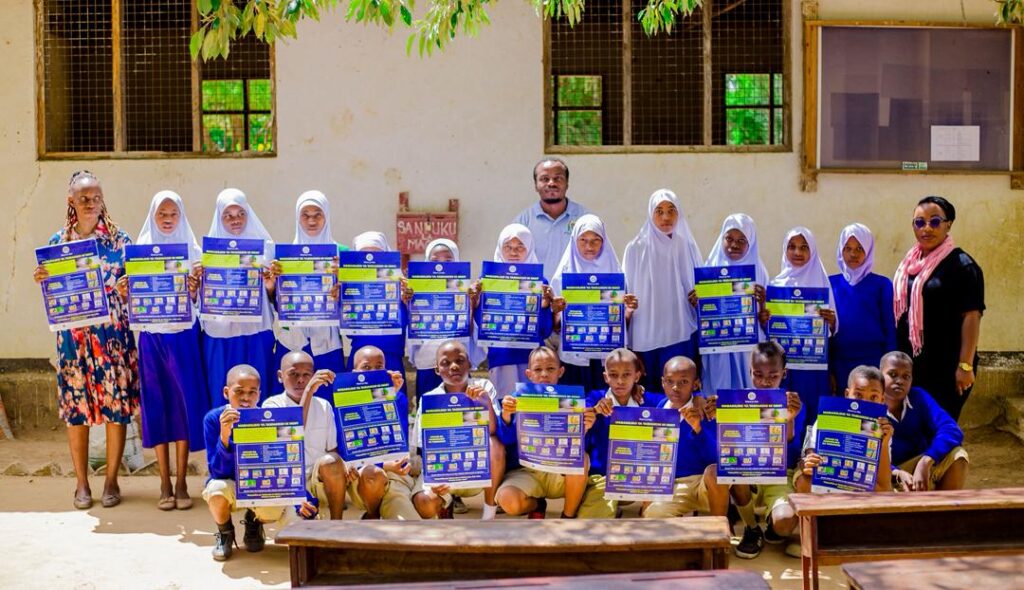
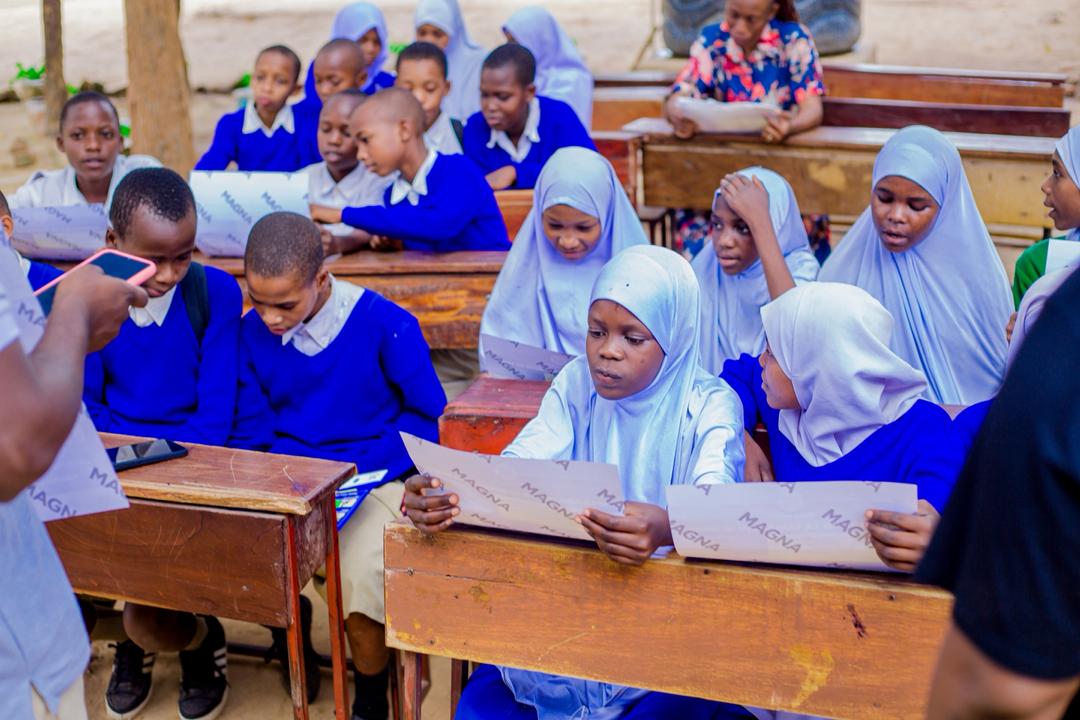
The initiative included the development of posters for health facilities, schools, and community settings, alongside audio awareness materials intended to improve public understanding of the relationship between climate change and health. These materials focused on equipping communities with practical information to help prevent and respond to climate related health risks.
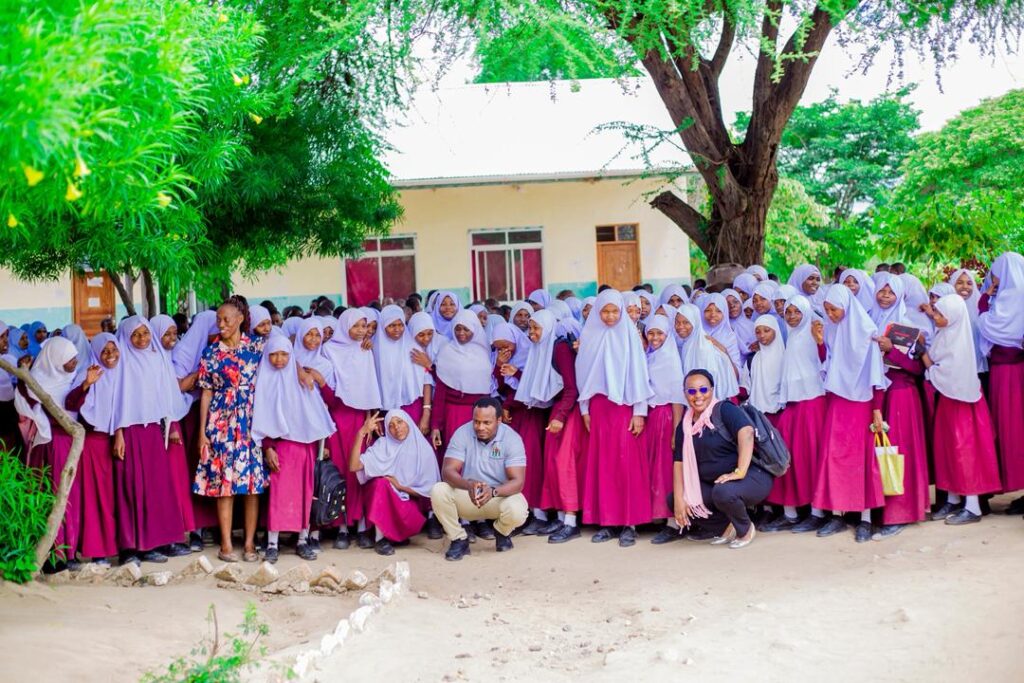
As part of the implementation process, we conducted a successful pretesting exercise in Chemba District Council involving healthcare providers, school representatives, Community Health Workers (CHWs), local leaders, and community members. The exercise provided an opportunity to assess the clarity, relevance, usability, and cultural appropriateness of the materials before final production and dissemination.
Feedback collected from participants played a critical role in refining the IEC materials to ensure they effectively communicate health and climate messages in ways that are understandable, practical, and community-centered. The activity also strengthened collaboration between health facilities, local government authorities, schools, and community structures in advancing climate-resilient health awareness.
The implementation further included technical coordination and field activities, production of printed and audio IEC materials, dissemination of approved content, and operational support for field teams involved in the exercise.
By successfully completing this activity, we have taken another important step toward building informed, prepared, and resilient communities capable of responding to the growing health impacts associated with climate change.